
Respond quickly
Assist that stays connected to the user's push instead of lagging behind it.
DETACHABLE SMART DRIVE · GEN 1
A compact drive module designed to read your natural movement and assist pushes, hills, stops, changing terrain, and help from behind.
Push naturally in assist mode Drive with a joystick in active mode Roll freely in passive mode
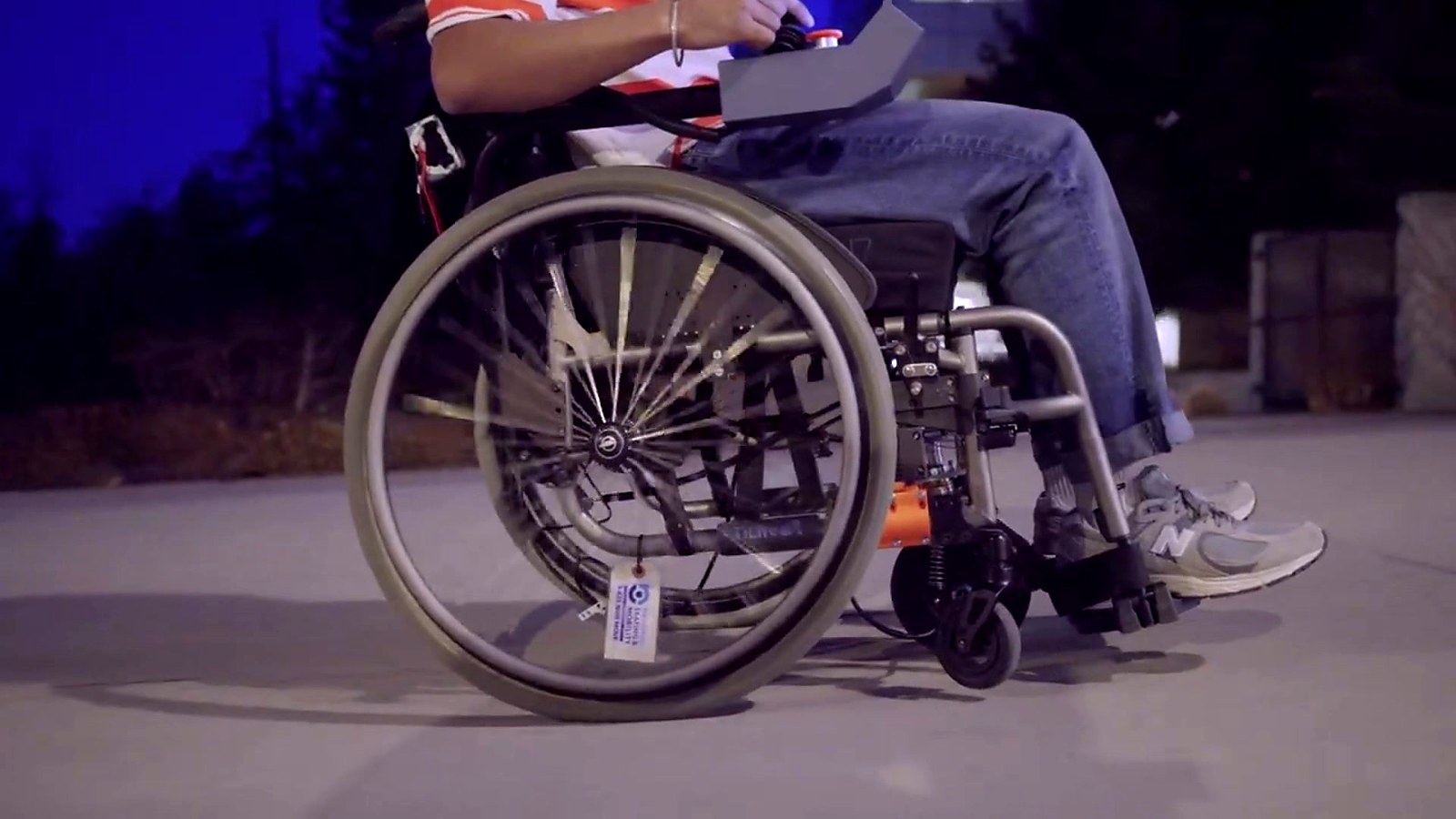
SMART PUSH ASSIST · IN DEVELOPMENT
Gen 1 is designed to read forces from the user, the ground, and another person — then respond with proportional support shaped around intent.
Assist that stays connected to the user's push instead of lagging behind it.
More support on hills and a controlled response when intent shifts to stopping.
Adjust assistance as the surface and rolling resistance change.
Recognize when another person pushes and respond to that input accordingly.
Smart Push Assist is being developed for Gen 1 with wheelchair-user testing planned throughout the process.
THE GAP
Today's add-ons can add propulsion, but the support often feels disconnected from the person and the terrain. Users still need a system that understands the difference between a push, a stop, a hill, rough ground, and help from someone behind them.
"I love my manual chair but hate my SmartDrive. The battery was inconsistent, the watch kept disconnecting, and it broke. I gave up and got a power chair."
— Survey respondent, manual wheelchair user
"Every power-assist I've tried still requires my arms. I want a joystick so I have full control of my movement, not just a little help pushing."
— Survey respondent, manual wheelchair user
"Most power-assists are too heavy to get in and out of my car by myself, so they only help at home — not with the outings I actually need them for."
— Survey respondent, manual wheelchair user
THE MODULE
The module mounts beneath a rigid manual chair without changing its footprint. It detaches without tools and steps aside in free-roll mode.
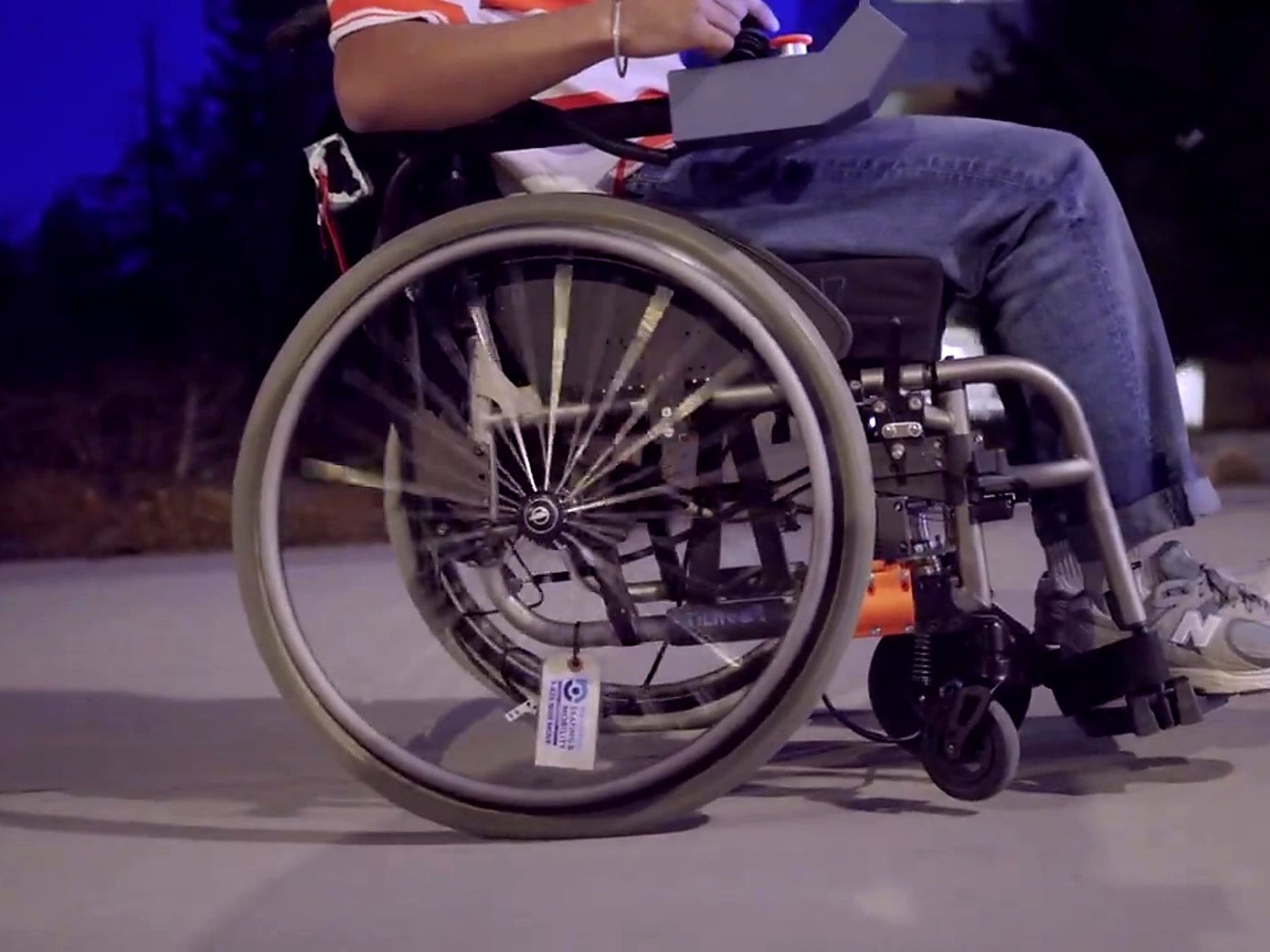
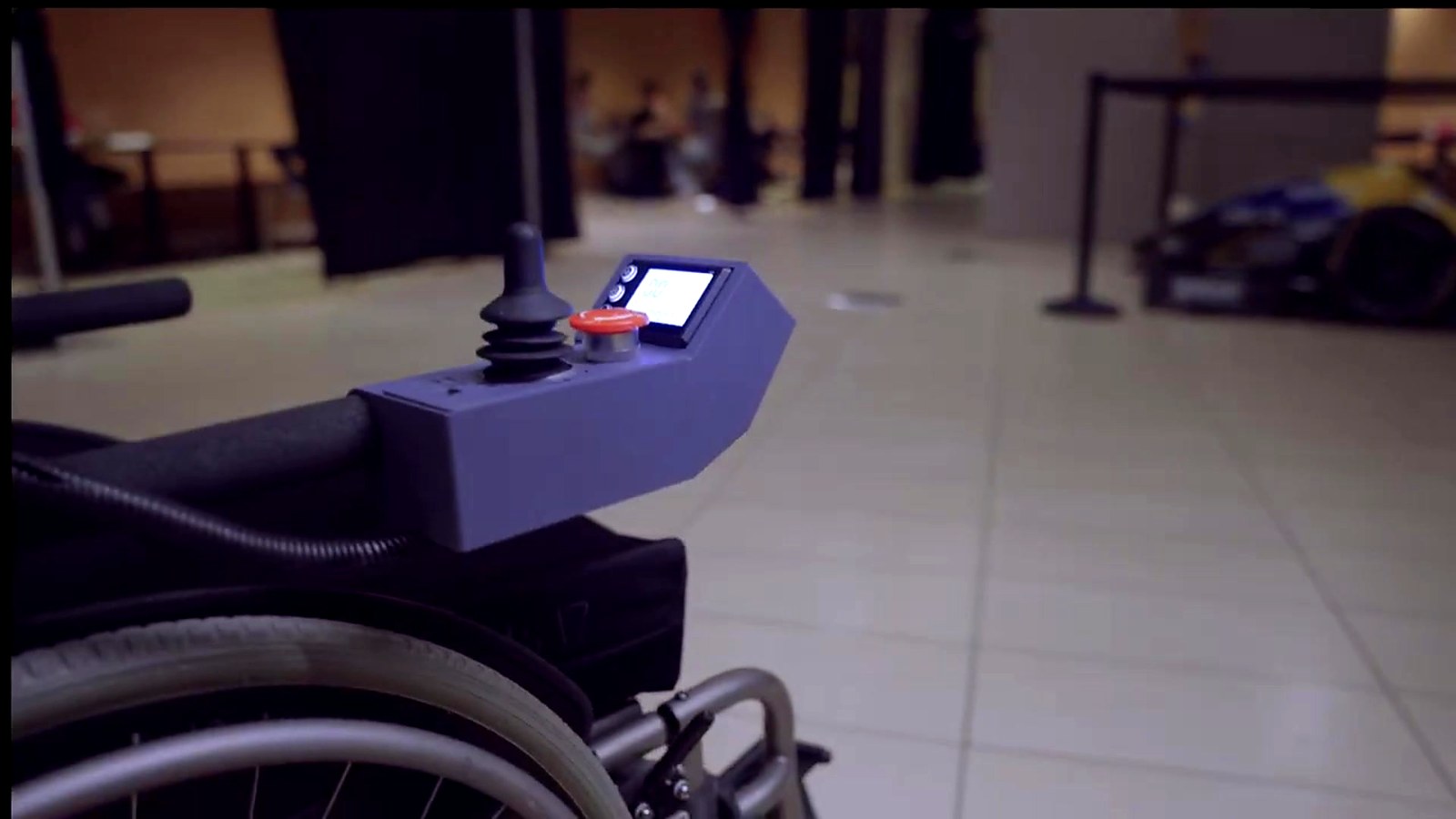
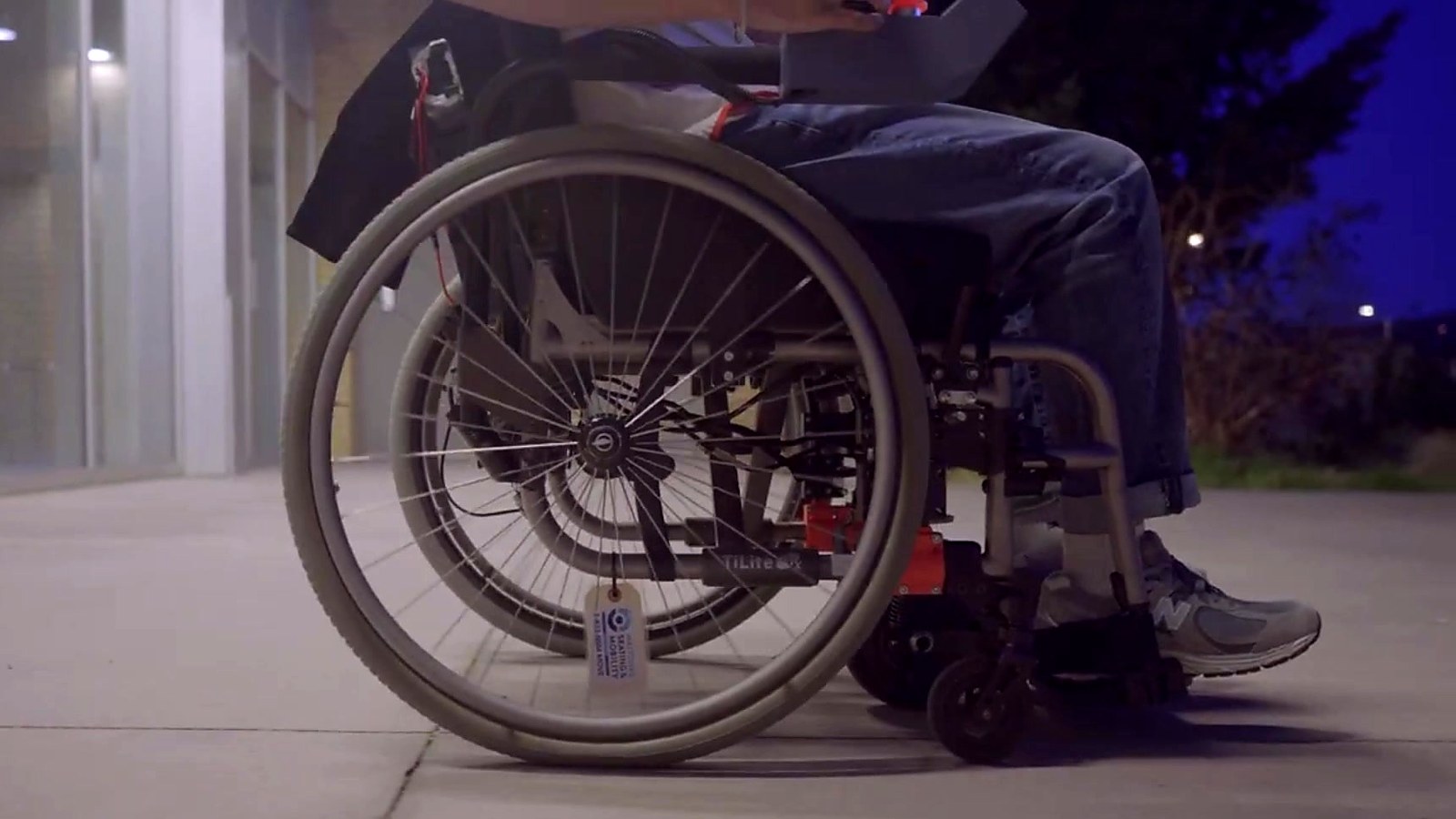
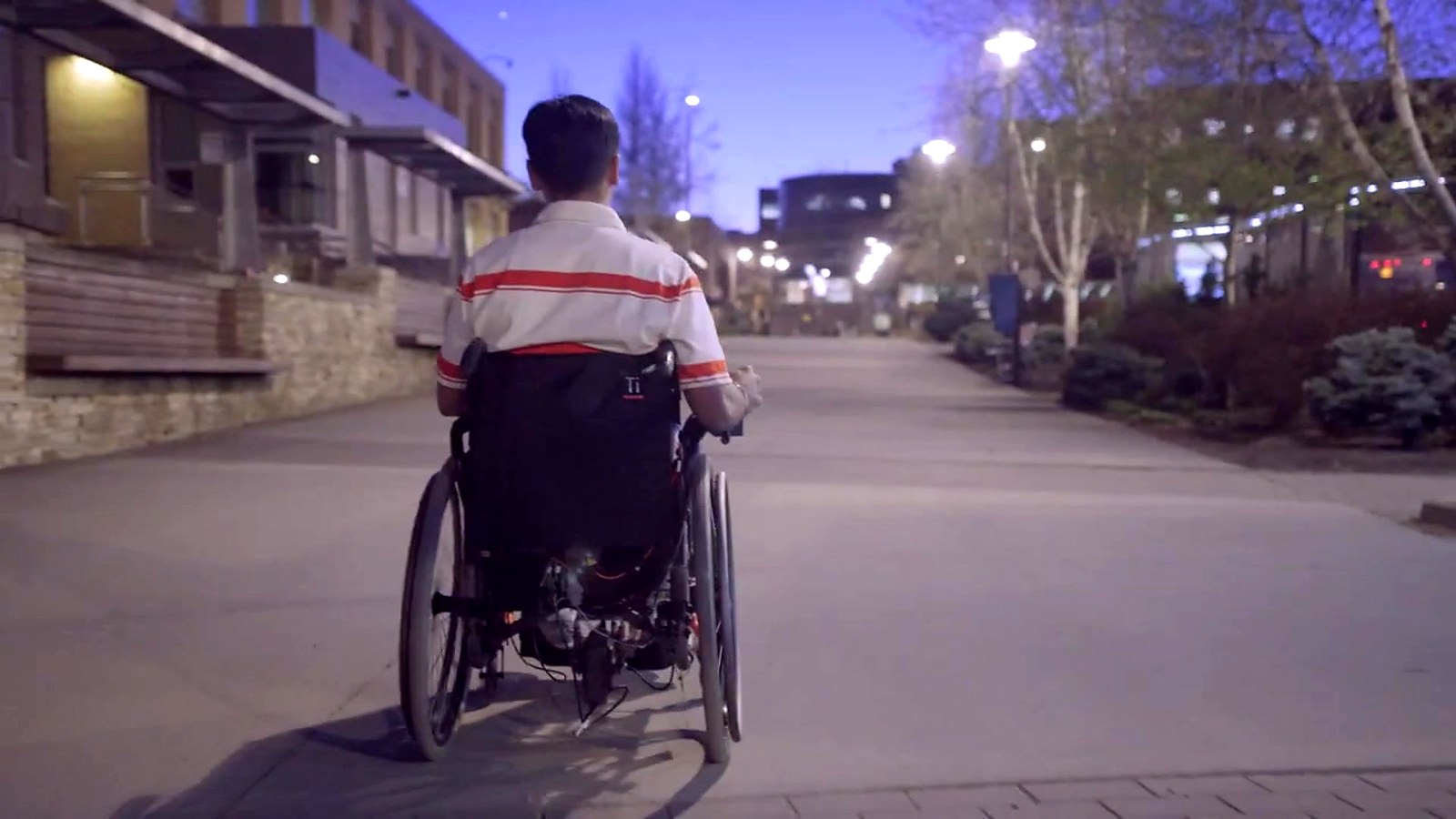
Use a conventional joystick to steer, move, and stop.
Push the rims as usual. The module is designed to follow your force and direction.
The module steps aside so the chair rolls and handles manually.
THE LANDSCAPE
Most add-ons propel, steer, or replace wheels. Friction brings smart assist, powered steering, and suspension together in one detachable under-seat module.
| Feature | Friction Gen 1 · target <$5,000 | SmartDrive MX2+ Permobil · $5.7–7.4K | Empulse R90 Sunrise · ~$7.3K | NAVIONE Yamaha · TBD | Firefly 2.5 Rio Mobility · ~$3K |
|---|---|---|---|---|---|
| Powered joystick steering | ✓ | — | — | — | — |
| Rollback prevention | ✓ | ✓ | — | ✓ | — |
| Suspension for rough terrain | ✓ | — | — | — | — |
| Intent-aware push assist | Target | — | — | ✓ | — |
| No footprint change | ✓ | — | ✓ | ✓ | — |
| Detaches without tools | ✓ | ✓ | ✓ | — | ✓ |
| Under $5,500 | ✓ | — | — | TBD | ✓ |
Friction specifications are Gen 1 targets. Competitor pricing and features from manufacturer materials, May 2026. NAVIONE not yet broadly available.
HOW WE BUILD
Start with interviews, surveys, and the priorities users identify.
Use real sidewalks, hills, and doorways — not only the shop.
Bring what we learn back into each Gen 1 design cycle.
THE LONG VIEW
Build Gen 1 with wheelchair users and deliver a more capable detachable power assist.
We will extend the platform to beds, stretchers, and carts — without installing a powered caster system on every asset.
THE FOUNDERS

President
Mechanical Engineering, UBC. Robotics, CAD/FEA, machining, manufacturing, and accessible design.

VP, Business Development
Computational Biology, Brown. Healthcare strategy at McKinsey and startup scaling at Stellar Sleep (YC '23).

VP, Technical
Mechatronics, Waterloo. Hardware, electrical, and software experience from Tesla, Apple, and robotics startups.

VP, Operations
Mechanical Engineering, UBC. Product development and manufacturing experience across aerospace and robotics.
GET IN TOUCH
Wheelchair users, clinicians, community partners, and investors — we'd like to hear from you.
Or email us directly: team@frictionrobotics.ca